Create Your Dream Tea Room!

Santosh Jha
| 18-05-2026
 · Lifestyle Team
Great Day, Lykkers! Transforming a space into the perfect tea room isn’t just about buying furniture and calling it a day.
It’s about creating a sanctuary that welcomes tranquility, offers comfort, and enhances the ritual of tea drinking.
To achieve this, every detail must be carefully considered—from the layout to the choice of materials. This guide dives into the specifics of designing a tea room that will captivate your senses and provide the ideal setting for relaxation and contemplation!
1. Location: Why the Right Spot Matters
The journey to creating the ideal tea room begins with selecting the perfect location. If possible, choose a space that is away from the household's bustling areas. Opt for a corner of the house with minimal foot traffic and one that benefits from natural light. A room near a garden or with large windows can allow the tranquility of nature to filter in, further enhancing the calming environment you seek to create.
For smaller spaces, think creatively—perhaps the nook by the window or the small corner that’s overlooked by others. This will give your tea room a sense of privacy and intimacy, key for the kind of serene ambiance that makes tea drinking so enjoyable.
2. Color Palette: Soft Hues for Calmness
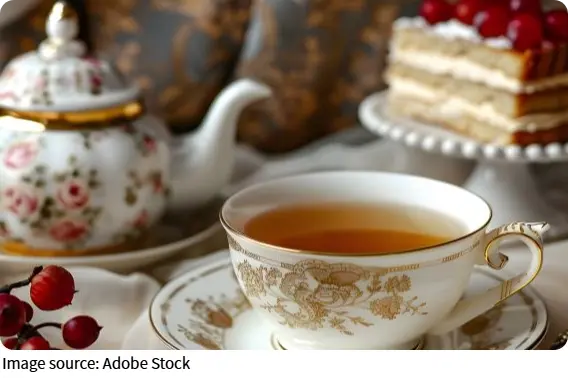
Color has a profound impact on mood. For a space designed to be peaceful and inviting, it's crucial to focus on a soothing color palette. Avoid bright, stimulating hues and choose soft, muted shades instead. For example, light pastel colors such as sage green, powder blue, and lavender are known to calm the mind and create an inviting atmosphere.
To keep things interesting without overwhelming the senses, use deeper tones in small accents. Think of rich earth tones like terracotta or deep plum as accent walls, or perhaps on soft furnishings like cushions and throws. This layering of colors brings a dynamic yet relaxed vibe to the room.
3. Seating: Comfort Over Everything
The type of seating you choose for your tea room plays a crucial role in its overall comfort. For traditional tea rooms, a low, cushioned bench or an elegant armchair could be just the thing. However, if you're leaning toward a more contemporary design, a modern lounge chair with a minimalist structure can offer a striking contrast.
4. The Tea Table: Form Meets Function
At the heart of every tea room is the tea table. This doesn’t just serve as a functional space to hold your teacups, teapot, and snacks—it should also enhance the room’s aesthetic. A round wooden table in a warm finish invites guests to sit around and share the tea-drinking experience.
To add sophistication, look for tables that combine traditional craftsmanship with modern design. For example, a table with inlaid patterns, brass details, or a smooth marble top can provide a visual focal point without taking away from the relaxing vibe. If you prefer minimalism, a simple, low-profile table made of oak or bamboo can bring a touch of nature indoors.
5. Lighting: Creating the Perfect Atmosphere
When it comes to lighting, the aim should always be to create a soft, welcoming glow. Avoid harsh overhead lights; instead, focus on low, ambient lighting that evokes warmth and calm. Install dimmable pendant lights or wall sconces with soft, warm bulbs that can be adjusted based on the time of day or mood.
For natural light, sheer curtains or blinds work wonderfully to diffuse sunlight gently across the room. When night falls, consider adding mood lighting with small lamps or even a few candles—tea rooms are especially magical when flickering candlelight is introduced. A few strategically placed candles in vintage holders can offer just the right amount of warmth without being overpowering.
6. Integrating Nature: The Power of Greenery
A tea room isn’t complete without the touch of nature. Bringing plants into your space will not only enhance its aesthetics but also improve the air quality and overall ambiance. Choose plants that thrive in indoor environments, such as ferns, spider plants, or peace lilies.
7. Accessories and Décor: Adding Your Unique Touch
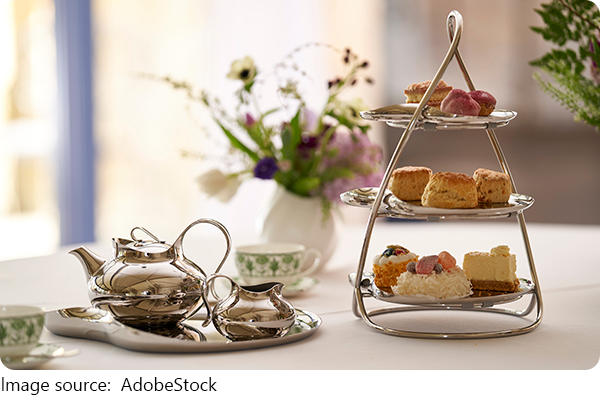
Decorative elements bring personality to your tea room. However, less is often more when it comes to this type of space. Simple touches, such as a well-curated collection of teacups, teapots, and vintage spoons, can enhance the ambiance without overwhelming the senses.
8. Sound: Subtle Layers for a Tranquil Atmosphere
Tea rooms are about more than just sight and smell—they engage all the senses. Consider the auditory experience as well. While silence is golden, some light background sound can create an even more immersive environment. Try soft instrumental music, gentle jazz, or even natural soundscapes like the sound of rain or ocean waves.
Bluetooth speakers, hidden out of sight, can play subtle tunes or nature recordings, adding another layer of tranquility to your tea time. Avoid loud or distracting music that would break the mood.
Designing the ultimate tea room involves a combination of elements: a serene atmosphere, comfortable seating, the right lighting, and natural touches. Every item, from the smallest trinket to the largest piece of furniture, plays an important role in creating the space. It should feel like an extension of yourself—a space that invites both guests and solitude with equal warmth.
When carefully thought out, your tea room will become a true sanctuary for reflection, conversation, and, of course, tea. With these tips and considerations, you can create a space that perfectly balances function, aesthetics, and tranquility!
Create a Cozy English Tea Room: Essential Decor Tips for a Classic & Comfortable Look
Video by SACHI STUDIO