Smart Farm Future

Kwame Johnson
| 09-05-2026
 · Lifestyle Team
Across many parts of the world, farming is quietly going through a major shift. Instead of relying only on long-established routines, more farms are now combining practical experience with modern digital tools.
This change is helping us manage land more efficiently, reduce unnecessary waste, and support more stable food production as global needs continue to evolve. Let’s take a closer look at how this transformation is unfolding in a simple and easy-to-follow way.
Understanding Smart Farming
We can describe smart farming as an approach that combines agriculture with digital tools and modern engineering. It brings together connected devices, data systems, intelligent software, and automated machines to support farming activities. Instead of relying only on experience or observation, we now collect real-time information from fields and environments. This includes soil conditions, crop growth patterns, and weather variations. With this information, we can better understand what is happening in each area of farmland and respond in a more organized way.
Data-Driven Field Management
Data plays a central role in modern farming systems. We gather information from multiple sources, then organize and analyze it to support decision-making. For example, soil conditions may change across different parts of a field. By studying these variations, we can adjust watering schedules or nutrient supply more accurately. This helps reduce unnecessary usage of resources while keeping crops in stable growing conditions. Over time, this data-based approach improves planning and helps us respond more effectively to environmental changes.
Precision-Based Cultivation in Practice
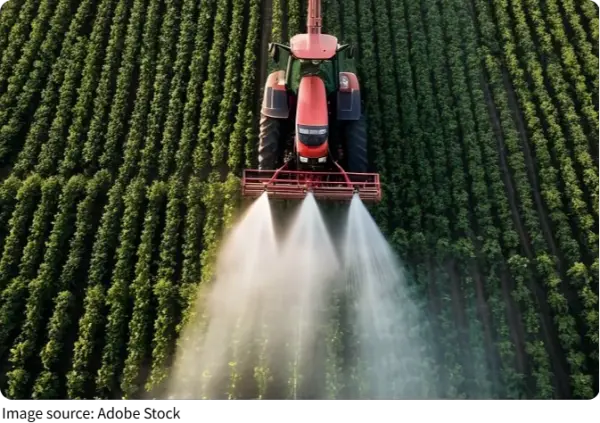
A key idea in smart farming is precision-based cultivation. This means treating farmland in smaller sections rather than as one uniform area. We observe each section carefully and adjust care based on its specific needs. Some areas may require more moisture, while others need different support. By doing this, we avoid overuse or underuse of resources. This method also helps maintain consistency across large farming areas, especially when conditions vary from place to place.
Automation in Modern Agriculture
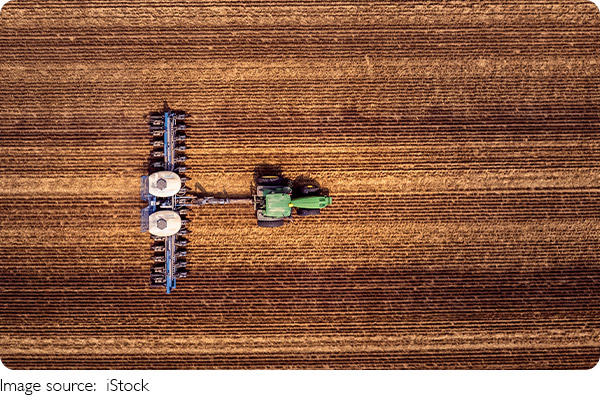
Automation has become an important part of agricultural development. Machines can now assist with planting, irrigation, and harvesting in a more controlled and efficient way. We benefit from systems that follow programmed instructions and adjust to field conditions. This reduces manual workload and improves timing and accuracy in daily operations. Rather than replacing human involvement, automation supports it by handling repetitive tasks and allowing us to focus more on planning and monitoring.
Aerial Monitoring and Field Insight
We also use aerial observation tools to better understand farmland conditions. These tools provide a wider view of crop health and field patterns. From above, we can quickly identify areas that may need attention, such as uneven growth or changes in plant condition. This helps us respond earlier and manage large spaces more effectively. By combining aerial views with ground-level data, we gain a more complete understanding of the land.
Controlled Growing Environments
Another important development is the use of controlled growing spaces. These environments allow us to manage factors like light, temperature, humidity, and air quality with precision. We can maintain stable conditions throughout different seasons, which supports consistent crop growth. This approach is especially useful in regions where outdoor conditions change frequently or are difficult to predict. With better control, we can improve stability and reduce the impact of external variations.
Key Benefits We Can Observe
When we bring all these technologies together, several clear benefits appear. First, productivity becomes more efficient because resources are used more carefully. Second, environmental impact can be reduced through more balanced use of water and nutrients. Third, food production becomes more stable and predictable, supporting global supply systems. We also gain better visibility into farming processes, allowing earlier responses to potential issues instead of late adjustments.
Looking Ahead: Global Development
Smart farming continues to evolve across many regions. As digital systems improve, we expect stronger integration between data platforms, machines, and field operations. Future developments may include faster information sharing, improved analysis tools, and more adaptive systems that respond automatically to changing conditions. At the same time, international cooperation and knowledge exchange will help spread effective practices and improve agricultural resilience worldwide.
Lykkers, what we see today is a global shift in how farming is managed and understood. It is no longer only about traditional fieldwork, but about combining knowledge, technology, and observation in a balanced way. As we move forward, this transformation can help create more efficient and stable food systems worldwide. Together, we can continue exploring how innovation supports better use of resources and a more sustainable future for agriculture across different regions of the world.