Blue Flame Vase

Pankaj Singh
| 16-04-2026
 · Art Team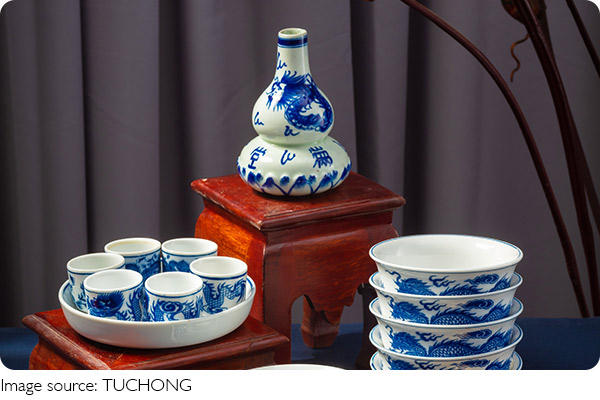
The first thing you notice is the silence.
A blue-and-white porcelain vase does not shout for attention; it draws you in slowly, with clean curves, cool color, and painted details that seem to float across the surface.
What looks effortless from the outside is actually the result of careful timing, steady hands, and several transformations that test both material and maker.
From Clay to Form
The process begins with the body of the vase. Craftsmen start by preparing fine clay, removing grit and air pockets so the material can be shaped cleanly. Once the clay reaches the right texture, it is formed on a wheel or pressed into a mold, depending on the style and scale of the piece. The shape must be balanced from the start, because even a small unevenness can become more obvious later after firing.
At this stage, the vase is still soft and fragile. The maker must adjust the neck, shoulder, and base with precision, since these proportions determine not only the appearance but also the stability of the finished vessel. A graceful silhouette is never accidental. It comes from repeated correction and a clear understanding of how the clay will change as it dries.
The First Firing
Once the shape is complete, the vase is allowed to dry slowly until most of the moisture leaves the clay. This step matters because trapped moisture can cause cracks or warping later. After drying, the piece enters its first firing, which hardens the body and prepares it for decoration. The surface becomes more durable, but it is still porous enough to accept glaze and pigment properly.
This early firing is a turning point. The vessel stops being a raw object and begins becoming porcelain. The maker now has a firm but unfinished surface to work with, and every later step depends on the success of this stage.
Painting the Pattern
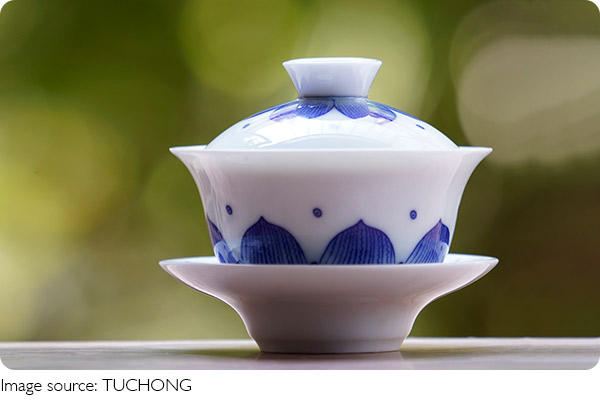
The blue decoration is what gives the vase its identity. Traditional blue-and-white porcelain usually relies on cobalt-based pigment, which creates that deep, vivid blue after firing. Artists apply the design by hand with fine brushes, building lines, petals, clouds, waves, or geometric borders in careful layers. The brushwork must be decisive, because the pigment can spread or soften once it meets glaze and heat.
This is also where style matters most. Some pieces use dense, intricate motifs that cover nearly every surface. Others leave large areas open, allowing the white body to breathe visually. In both cases, the painter must think not just about beauty, but about how the pattern will survive the kiln and appear after the glaze turns transparent.
Glazing and Finish
After painting, the vase is coated with a clear glaze that seals the surface and creates the glossy finish collectors expect. The glaze also protects the decoration and deepens the contrast between white ground and blue line. Too much glaze can blur the pattern; too little can leave the surface dull or uneven. Getting this layer right is essential for both appearance and durability.
When the glaze is applied evenly, the vase goes through a second firing at high heat. Inside the kiln, the materials fuse and the final finish emerges. This is the moment when the colors settle into their true form. The blue becomes richer, the surface smoother, and the whole piece gains the unmistakable character of finished porcelain.
Common Craft Stages
1. Preparing and refining the clay.
2. Shaping the vase by wheel or mold.
3. Drying the form slowly and evenly.
4. Firing the bisque body.
5. Painting the cobalt design by hand.
6. Applying a clear glaze.
7. Firing again to complete the piece.
These stages sound simple on paper, but each one requires patience and control. A mistake early in the process can show up later as a flaw, a warped line, or a weak finish. That is why porcelain making is often described as a craft of discipline as much as design.
Why It Endures
A blue-and-white porcelain vase lasts in memory because it unites structure and elegance. The clay gives it strength, the firing gives it permanence, and the painted blue gives it voice. It is a reminder that beauty can come from strict process, not just inspiration. When the final piece stands complete, it carries every invisible decision made along the way.
That is the real charm of the vase: it looks calm on the outside, yet it contains a long chain of effort underneath. In that quiet balance between control and grace, porcelain becomes something more than a vessel. It becomes a record of skill made visible.