Choosing Your First Camera

Ethan Sullivan
| 09-06-2026
 · Art Team
If you’re new to photography, choosing the right camera can feel overwhelming. Cameras now come in many types—from compact models to mirrorless systems to more advanced setups—and it’s easy to get confused.
We believe the key is matching the camera to what we want to shoot and how we plan to use it. In this guide, we’ll walk through what matters most when picking a first camera so we can start enjoying photography right away.
What Really Matters Before Buying
Before shopping, asking a few questions helps clarify what we need. What kind of photos or videos do we plan to take? Travel shots? Portraits? Everyday snapshots? Or casual social media content? The answers help determine which camera features are most important.
Next, consider portability, ease of use, and room to grow. A beginner camera shouldn’t be heavy or overly complicated. It should be easy to learn, yet capable enough that we don’t need to upgrade too soon. Battery life, lens options, autofocus performance, video capabilities, and handling comfort are all important.
Mirrorless vs. DSLR — Which Suits Us?
Mirrorless cameras are often recommended for beginners. They are lighter and more compact because they don’t have an internal mirror mechanism. Electronic viewfinders or LCD screens show a preview of what the sensor captures, helping us understand how exposure, color, and composition influence the final image.
Mirrorless cameras often provide fast autofocus, which can be useful for moving subjects or spontaneous moments. Many also include flip-out screens, video features, and wireless connectivity, making them convenient for everyday photography and content creation.
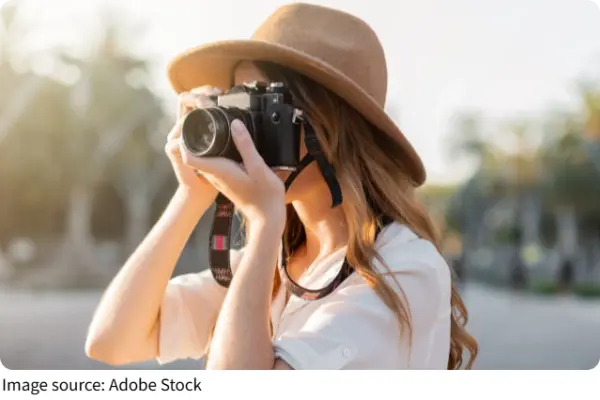
DSLRs still offer advantages. They generally provide longer battery life on a single charge because they rely less on electronic displays. Their larger design can also provide a more secure grip, particularly when using larger lenses.
So the choice depends on what we value most—portability and modern features, or battery endurance and a traditional shooting experience.
Camera Types Beginners Often Consider
For beginners, certain camera types are generally easier to start with:
- Entry-level mirrorless cameras: Lightweight, straightforward controls, and enough features to learn photography fundamentals while developing skills.
- Entry-level DSLRs: A traditional photography experience, longer battery life, and strong performance for still photography.
- Compact cameras: Small, easy to carry, simple to operate, and suitable for travel or everyday photography.
- Action cameras: Compact, durable, and often water-resistant, making them suitable for outdoor activities and sports.
The best choice always depends on what we plan to photograph and how we intend to use the camera.
Match Camera Type with Shooting Goals
Depending on our photography interests, some cameras may be better suited to specific situations:
- Travel and everyday life: Lightweight mirrorless or compact cameras are practical because they are easy to carry and adaptable to different scenes.
- Portraits: Cameras with interchangeable lenses allow greater creative control over background separation and image style.
- Learning fundamentals: Simple mirrorless or DSLR cameras provide manual controls that help us understand exposure, focus, and composition.
- Long shooting sessions or outdoor trips: Battery life becomes an important factor, as some camera systems can capture more images per charge than others.
Don’t Chase Specs — Focus on Usability
It’s tempting to focus on megapixels, video resolution, or advanced features. However, for beginners, comfort and consistency often matter more. A camera should feel comfortable to hold, easy to carry, and suitable for our preferred style of photography. That way, we are more likely to use it regularly—and regular practice is how photography skills improve.
Start Simple, Leave Room to Grow
As we gain experience, we may want to explore new techniques and equipment. A camera system with expansion options—such as interchangeable lenses and compatible accessories—can support that progression.
At the same time, starting with a beginner-friendly model helps create a smoother learning experience. We don’t need complicated menus or extensive equipment to begin enjoying photography.
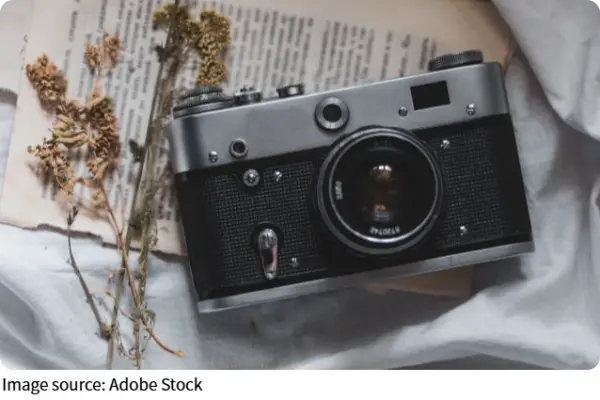
FFinal Thoughts for Aspiring Photographers
Choosing a first camera doesn’t have to be stressful. By focusing on portability, ease of use, and the types of photos we enjoy taking, we can find a camera that suits our needs and interests.
A beginner-friendly camera can help capture travel memories, portraits, and everyday moments while encouraging creativity and skill development. The most important step is simply getting started and enjoying the process of learning photography. Every photograph is an opportunity to observe, learn, and develop a unique creative perspective. Happy shooting, Lykkers!