Oil Painting Techniques

Declan Kennedy
| 09-06-2026
 · Art Team
Ever wondered how professional oil painters create such depth and texture in their works? It is not simply about applying paint to a canvas—it is about understanding technique, tools, and materials.
Whether you are a beginner or an experienced artist, mastering oil painting techniques can help elevate your work and expand your creative possibilities. By learning how different brushes, painting mediums, and application methods influence the final result, artists can create paintings with greater richness, depth, and expression.
Choosing the Right Brushes for Your Style
One of the first steps in mastering oil painting is selecting the right brushes. Brushes are more than simple tools; they play a significant role in shaping texture, movement, and visual character within a painting. Different brush types produce different effects, ranging from delicate details to bold, expressive marks.
Round Brushes for Detail
Round brushes are well suited for detailed work. Their pointed tips allow artists to create fine lines and intricate shapes with precision. They are commonly used for small elements and areas that require careful control.
Flat Brushes for Broad Coverage
Flat brushes feature straight edges that are ideal for covering larger areas and applying paint evenly. They can also be used to create crisp edges, controlled shapes, and smooth transitions between colors.
Fan Brushes for Texture
Fan brushes are useful for creating textured effects such as foliage, clouds, and natural surface patterns. Their distinctive shape produces soft, scattered marks that help create a sense of movement and atmosphere.
Practical Tip: Before beginning a painting, test a new brush on a spare surface to understand how it responds to pressure, paint thickness, and different brush movements.
Mastering Oil Paints and Painting Mediums
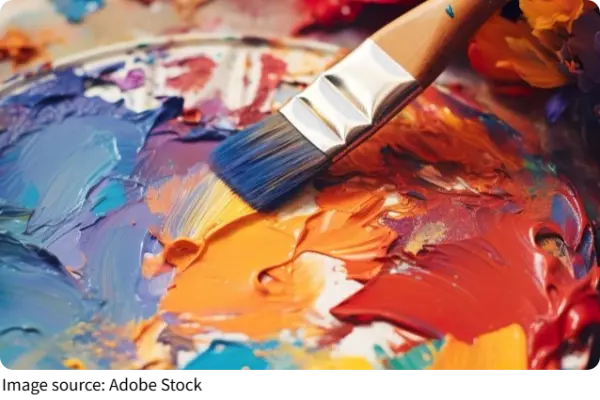
Oil paints are valued for their rich color, versatility, and extended drying time. These qualities allow artists to blend colors gradually and build multiple layers over time. Understanding how paint consistency and painting mediums affect the painting process can significantly improve results.
Thick and Thin Paint Application
Some artists prefer thick paint applications to create visible texture and dimensionality, while others use thinner layers to achieve smooth transitions and subtle effects. Thick applications are often associated with textured techniques, whereas thinner layers are useful for glazing and refined detail work.
Using Painting Mediums
Painting mediums can alter the consistency, flow, and appearance of oil paint. They may improve blending, increase transparency, or contribute to a smoother application process.
Practical Tip: Adding a small amount of painting medium can help improve paint flow and make color transitions appear more gradual and natural.
Glazing for Depth and Luminosity
Glazing involves applying a thin, transparent layer of paint over a fully dried layer beneath it. This technique gradually builds depth and creates luminous color effects that are difficult to achieve with a single layer of paint.
Practical Tip: Applying transparent layers over darker underlayers can create a sense of depth and visual richness throughout the painting.
Preparing the Canvas
Proper canvas preparation provides a strong foundation for successful oil painting. The surface influences how paint adheres, how colors appear, and how the finished artwork develops over time.
Choosing the Right Surface
Stretched canvas remains a popular choice for oil painting because of its durability and versatility. Other surfaces may offer different textures and painting experiences, allowing artists to select a foundation that complements their preferred style.
Priming the Surface
Most painting surfaces are prepared with a primer before use. Priming helps create a suitable painting surface and prevents excessive absorption of paint. Multiple coats may be applied to achieve the desired texture and smoothness.
Practical Tip: A thicker primer application can create more surface texture, while light sanding between coats can produce a smoother finish.
Underpainting for Structure
Underpainting is a preliminary layer that establishes composition, values, and major shapes before the final colors are applied. This stage provides a visual guide that supports later layers and strengthens the overall structure of the artwork.
Practical Tip: Begin with simple shapes and value relationships to establish a strong foundation before introducing full color.
Blending and Layering for Rich Effects
One of the defining characteristics of oil painting is its ability to create depth through blending and layering. These techniques help artists develop smooth transitions, realistic forms, and visually engaging textures.
Wet-on-Wet Blending
Wet-on-wet blending involves applying fresh paint onto paint that is still wet. This approach allows colors to merge directly on the canvas and is effective for creating smooth gradients and subtle transitions.
Dry Brushing for Texture
Dry brushing uses a brush carrying very little paint to create textured, broken marks across the surface. This technique can add detail, visual interest, and a sense of texture without heavy paint buildup.
Practical Tip: For smooth blends, work while the paint remains wet and use gentle brush movements. For textured effects, apply minimal paint and lightly move the brush across the surface.
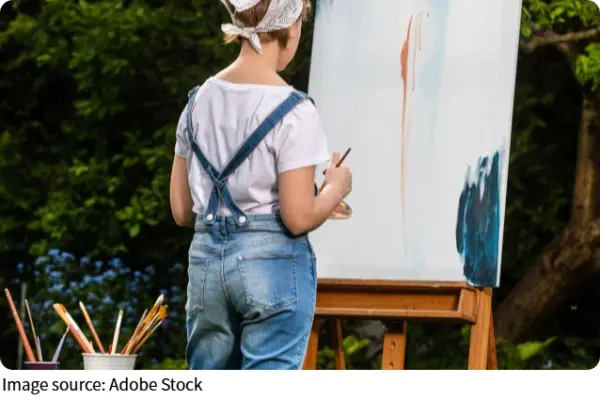
Mastering oil painting techniques requires patience, practice, and a willingness to experiment. From selecting the appropriate brushes and preparing the painting surface to understanding glazing, layering, and blending methods, each stage contributes to the overall quality of the artwork. By developing a strong understanding of these fundamental techniques, artists can create paintings with greater depth, texture, and visual impact while continuing to refine their individual creative style.